2026 World Cup: What to expect in terms of marketing and sponsorship strategies
21. January 2026
The 2026 World Cup will be the biggest marketing test field in history. Find out how brands are getting actively involved now...
Overview
- You understand why the 2026 World Cup is redefining marketing sponsorship and requires data-driven, local, and social-first strategies.
- You recognize how brands generate lasting attention through host cities, real-time activations, and relevant fan experiences.
- You will receive clear ideas on how to use these mechanisms for your own marketing strategy and build competitive advantages.
What happens when a sporting event is no longer just watched live, but constantly scrolled, shared, and commented on?
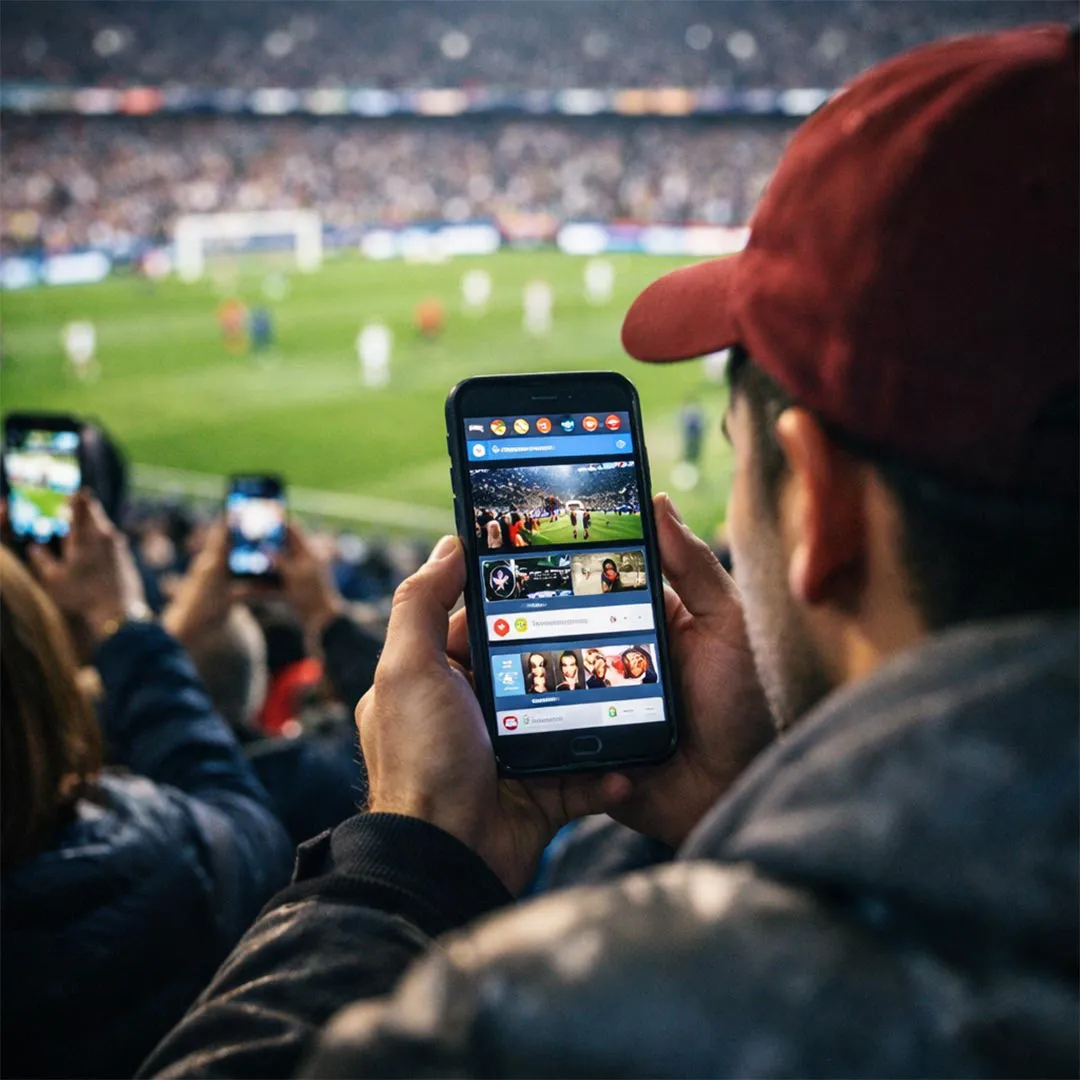
The FIFA World Cup 2026 is exactly this scenario. Three host countries, 48 teams, and millions of digital touchpoints are fundamentally transforming sponsorship. World Cup marketing is no longer a classic logo game. It becomes a data-driven, local, and at the same time global experience. Fans move between stadium, smartphone, social feeds, and city activations. Brands must remain relevant everywhere.
This article shows you how modern sponsorship works at the World Cup 2026. You will learn how sponsorship levels are structured, which activation fields work, and which mistakes brands should avoid. The focus is on practice, strategy, and feasibility for marketing teams, agencies, and decision-makers. World Cup marketing for 2026 thus becomes a blueprint for future major events in online marketing.
What is World Cup marketing?
“World Cup marketing 2026” describes all sponsorship, activation, and communication measures surrounding the FIFA World Cup 2026. The focus is no longer solely on TV rights or perimeter advertising, but on connected fan experiences. Brands operate along digital journeys, local touchpoints, and social real-time moments.
A key characteristic is the fragmented sponsorship architecture. Global partners, tournament sponsors, and local supporters operate in parallel. In addition, numerous social-first and ambush activations emerge outside official rights. This type of marketing connects sport, technology, and culture. Brands that succeed are those that recognize relevant moments and activate them immediately.
Why is marketing so important for world championships?
The World Cup 2026 reaches a young, digitally shaped target audience. Large parts of fans primarily consume content via social media and second screens. For brands, this creates new opportunities along the customer journey. Awareness, engagement, and conversion merge in real time. The combination of online marketing, performance data, and creativity becomes particularly relevant.
Geo-targeting, local SEO, and dynamic creatives enable local relevance with global reach. Email marketing and SEA also benefit from dynamic campaign phases aligned with relevant events. The World Cup 2026 will show how data-driven activation makes brands more efficient. At the same time, competitive pressure increases due to fragmented attention.
How World Cup marketing works in practice
Step-by-step instructions
- Sponsorship levels clearly define and realistically assess rights.
- Target groups analyze and segment by host city.
- Build an always-on content structure for social and search.
- Establish real-time monitoring for match moments and trends.
- Prepare local landing pages and offers.
- Integrate creators and the community at an early stage.
- Evaluate performance data daily and adapt creatives.
Tools, methods, and examples
- Successful brands combine content planning with real-time response.
- Dynamic Creative Optimization adapts creatives to scoreline, location, and language.
- Social listening identifies relevant fan moments within seconds.
FIFA partners focus on global narratives.
- Airbnb focuses on host city experiences and community projects.
- FMCG brands activate via POS, fan zones, and social clips.
| Aktivierung | Benefit |
|---|---|
| Geo-fenced Social Ads | High local relevance with a controlled budget |
| DOOH in Host Cities | Maximum attention in the context of the event |
| Creator-Reactions | Fast reach and high engagement rates |
Opportunities and risks of World Cup marketing
The World Cup 2026 opens up enormous opportunities for brands because it consistently combines global attention with local context for the first time. Host cities, fan zones, and digital touchpoints enable relevance exactly where attention arises. At the same time, the demands for speed and precision increase significantly, because brands without real-time capability quickly lose visibility and miss decisive moments. Sponsorship without official rights can also work if content is implemented creatively, contextually, and in a legally compliant manner. Data is the decisive factor, as it controls timing, channels, and the impact of every activation.
The World Cup 2026 clearly demonstrates the future of event marketing. Sponsorship becomes more modular, data-driven, and increasingly automated. Artificial intelligence takes over delivery, personalization, and real-time optimization. Social commerce and live shopping are gaining importance as fans consume and purchase content directly. Host cities are evolving into their own media platforms with local reach and global impact. For brands, a new playing field emerges between sport, technology, and culture, making World Cup marketing the benchmark for future mega-events.
Conclusion
World Cup marketing is no longer classic sponsorship. It is a dynamic system of data, content, and real-time decision-making. Brands do not win through maximum visibility, but through relevance at the right moment. This is exactly why strategies work best when they actively involve fans, think locally, and still scale globally. Always-on, social-first, and data-driven approaches are becoming the new standard. The World Cup 2026 is a unique learning environment for this, as it shows how attention is truly distributed today.
If you apply these mechanisms to your brand now, you build advantages before the competition catches up. Let’s develop an activation strategy together that fits your goals and works across feed, search, and on-site. Get started now with a consultation with Media Beats or secure our newsletter featuring practical updates and playbooks.
Our blog
Latest news
With our blog, you are always close to our work, our current projects and the latest trends and developments in web and print.






Any questions?